


High-demand roles, for example founders and executives, often involve long hours, rapid context switching, and sustained responsibility. The ideas below are educational. They do not diagnose, treat, or prevent disease.
1. Systems thinking instead of quick fixes
Chronic stress is studied in relation to changes in prefrontal networks that support attention, planning, and emotion regulation. Findings suggest that stress signaling can affect these circuits, which may influence day-to-day performance. These are group-level observations that vary by person. (Arnsten 2009, appears in Nature Reviews Neuroscience)
Leaders benefit when a clinician looks at patterns across sleep regularity, stress load, schedule demands, and health metrics, not just single symptoms on a busy day.
2. Proactive, not only reactive
Reactive care focuses on current concerns. Preventive care adds routine checkups, baseline tracking, and early discussion of trends, for example rising blood pressure or persistent sleep disruption. This complements urgent care rather than replacing it.
Proactive reviews often consider metabolism, cardiovascular status, sleep timing and quality, stress markers, and cognitive demands, with testing ordered when clinically appropriate.
3. Precision that becomes personal
People in similar jobs live very different lives, for example frequent travel or irregular hours. Precision approaches aim to tailor care using history, context, and selected biomarkers. Research programs have explored how individualized data may inform cardiovascular, metabolic, and mental health care, although results vary by condition and study. (Collins and Varmus 2015, appears in The New England Journal of Medicine)
4. Leadership and health patterns
Reviews associate higher stress exposure with changes in sleep patterns, mood, and metabolic markers. Early discussion with a clinician can help decide when to adjust routines or evaluate further.
The TejoMed approach for leaders
At TejoMed, care is designed for demanding schedules and long-term goals. We focus on clarity, continuity, and practical next steps.
Executive health, made practical
Comprehensive executive checkup that reviews history, exam, and selected biomarkers in context.
On-time, unhurried visits with same-day or next-day sick visits for members.
Direct emails or calls with your care team for quick questions and follow-ups.
Sleep and stress support
Sleep evaluation with screening for insomnia patterns, irregular schedules, and possible sleep apnea.
Sleep testing when indicated, for example home sleep apnea testing or referral to a sleep lab, plus support interpreting results and coordinating next steps.
Routines that fit real life, for example travel-friendly wind-down plans, light timing, and caffeine and alcohol timing.
Stress load review with brief, sustainable strategies that fit your calendar.
Metabolic and cardiovascular context
Right-sized testing guided by your history and guidelines, for example glucose-related markers and lipids when appropriate.
Nutrition and activity planning that works with time zones, travel, and long workdays.
For optimization-minded clients
We can align on longevity or biohacking interests, prioritize validated measures, and avoid over-testing. If you are curious about a dried-urine cortisol rhythm panel, sometimes called a DUTCH test, we discuss pros and cons first and proceed only when there is a clear clinical question.
You can schedule a conversation to see whether this comprehensive primary care model fits your needs. We will review goals, decide what is appropriate to measure now, and outline a plan that respects your time and privacy.
Leaders invest endlessly in their teams, their companies, and their future. Therefore their health deserves the same level of investment: backed by science, guided by expertise, and designed to last.
References
Arnsten, A. F. T. (2009). Stress signalling pathways that impair prefrontal cortex structure and function. Nature Reviews Neuroscience, 10(6), 410–422.
Collins, F. S., & Varmus, H. (2015). A new initiative on precision medicine. The New England Journal of Medicine.
Forouzanfar, M. H., et al. (2016). Global burden of chronic diseases and the impact of preventive strategies. The Lancet Public Health.
Shamoon, N. et al. (2021). Physiological biomarkers of chronic stress: A systematic review. International Journal of Health Sciences.
Nixon, A. E., et al. (2011). Can Work Make You Sick? A Meta-Analysis of the Relationships Between Job Stressors and Physical Symptoms. An International Journal of Work, Health & Organisations.
Published by TejoMed Editorial Team
TejoMed Editorial Team
TejoMed’s editorial team publishes service, practice and health education content. This profile is not a clinician attribution and does not represent medical authorship or review.
More blogs like this
CONTINUOUS CARE
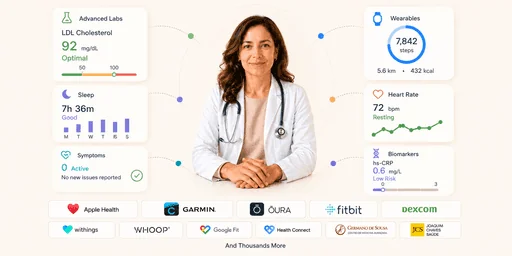
TejoMed Compass: your health and data, in one place, in your doctor's hands
TejoMed

Preventive Health
Physical inactivity: why it is a major, modifiable health risk today
TejoMed
5 mins long

Mind & Lifestyle Health
Everything You Need To Know About The Mind-Body Connection
TejoMed
4 mins long
Preventive Health
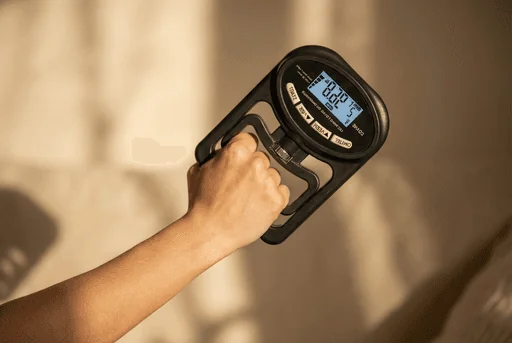
Your Annual Comprehensive Checkup: Why Grip Strength is One Useful Measure
TejoMed
5 mins long

Generic
TejoMed anuncia parceria com rede 1/4
TejoMed
3 mins long
Healthcare
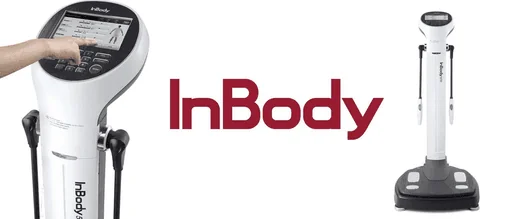
Your Body’s Blueprint: The Power of InBody Assessments
TejoMed
3 mins long

Healthcare
Microbiome: How Your Gut Health Impacts Whole-Body Wellness
TejoMed
5 mins long

Healthcare
How Social Connection Fuels Mental Health & Longevity
TejoMed
5 mins long