

For many years, some models described the mind and body as separate. Current research explores how thoughts, emotions, and physiology interact. The ideas below are educational and do not diagnose, treat, or prevent disease.
Why thoughts and emotions can influence the body
Stress and persistent worry are studied in relation to changes in physiology, for example stress-hormone signaling, heart rate, breathing patterns, and immune markers. Over time, research associates chronic stress with less favorable patterns in areas such as cardiovascular and metabolic health, digestion, and mood. These are population-level associations, not individual predictions.
How movement and mindfulness relate to brain-body links
Practices such as meditation, yoga, tai chi, and slow intentional walking are being studied for their effects on attention, emotional regulation, and autonomic balance. Reviews and meta-analyses report associations between these practices and changes in brain connectivity and stress reactivity. Individual responses vary, and these practices are not a substitute for medical care.
What this means for preventive care
A whole-person view considers emotional wellbeing, sleep, nutrition, movement, stress regulation, and clinical metrics together. Labs and imaging add useful data, and so do your lived experiences, for example how you sleep, digest, and feel during the week. This information helps clinicians decide when additional evaluation may be useful.
How TejoMed integrates mind-body context
At TejoMed, your visit includes time to discuss emotional state, stress patterns, sleep quality, daily routines, and relevant clinical markers. Your doctor reviews history, exam findings, and selected labs in context, then collaborates with you on next steps that fit your goals and medical history.
During an assessment, topics can include
how you have been feeling emotionally
how stress shows up physically for you, for example tension, sleep disruption, or appetite changes
how sleep, digestion, and energy vary across your week
which lifestyle habits support or challenge your wellbeing
Ways to start, safely
Try 3 to 5 minutes of paced or mindful breathing to support a calmer state.
Use gentle movement, for example yoga, stretching, or mindful walking, adjusted to your abilities.
Keep simple notes on mood, sleep, digestion, energy, or headaches, then share patterns with your clinician.
Discuss both physical and emotional experiences with your doctor so your plan reflects the full picture.
Note: If you have ongoing symptoms, significant distress, or new physical concerns, speak with a clinician for individualized guidance.
References:
Bandhari, T. (2023). Mind–body connection is built into the brain, study suggests. Washington University School of Medicine.
Quist Ryder, M. (2025). American Psychological Foundation. World Health Day: The Mind–Body Health Connection.
M. Y. Han, Y et al. (2023). The neurobiological effeects of mind–body exercise: a systematic review and meta‑analysis of neuroimaging studies. Scientific Reports.
Pascoe, M. C., Thompson, D. R., Jenkins, Z. M., & Ski, C. F. (2017). Mindfulness mediates the physiological markers of stress: Systematic review and meta-analysis. Journal of Psychiatric Research.
Published by TejoMed Editorial Team
TejoMed Editorial Team
TejoMed’s editorial team publishes service, practice and health education content. This profile is not a clinician attribution and does not represent medical authorship or review.
More blogs like this
CONTINUOUS CARE
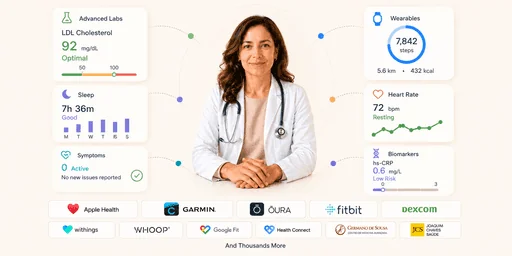
TejoMed Compass: your health and data, in one place, in your doctor's hands
TejoMed

Executive Health
What leaders need from their doctors, a high-performance healthcare lens
TejoMed
5 mins long

Preventive Health
Physical inactivity: why it is a major, modifiable health risk today
TejoMed
5 mins long

Preventive Health
Your Annual Comprehensive Checkup: Why Grip Strength is One Useful Measure
TejoMed
5 mins long

Generic
TejoMed anuncia parceria com rede 1/4
TejoMed
3 mins long

Healthcare
Your Body’s Blueprint: The Power of InBody Assessments
TejoMed
3 mins long

Healthcare
Microbiome: How Your Gut Health Impacts Whole-Body Wellness
TejoMed
5 mins long

Healthcare
How Social Connection Fuels Mental Health & Longevity
TejoMed
5 mins long